

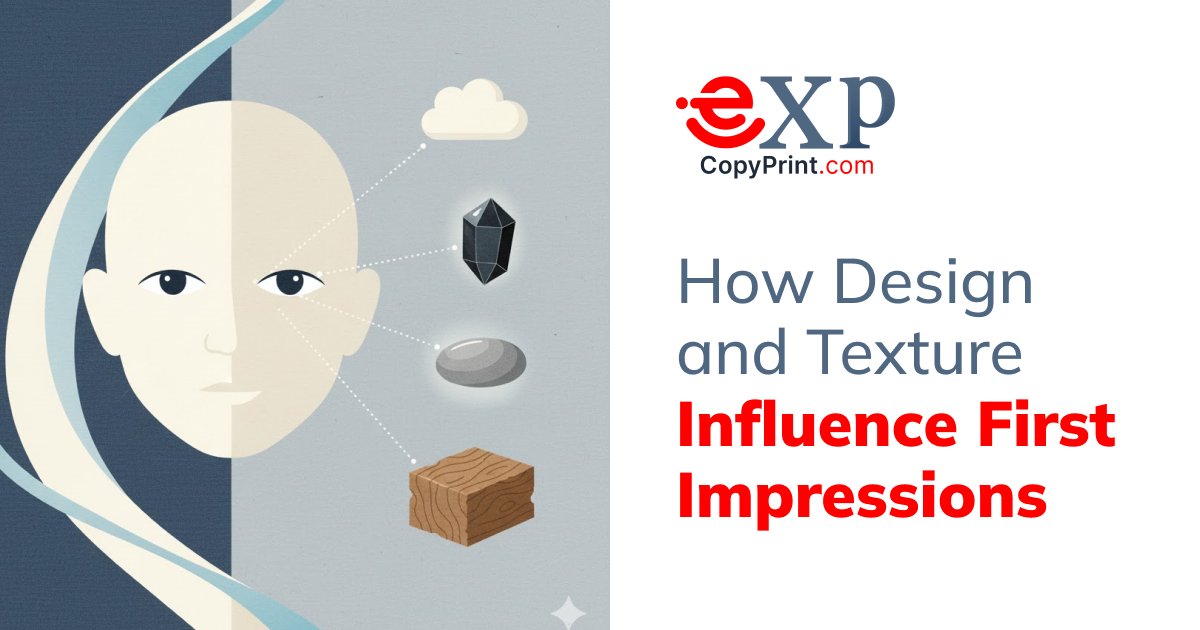
Branding Psychology goes far beyond logos and colors—it’s the science of how your brand makes people feel at first glance. In today’s fast-moving world, first impressions form within seconds. From the texture of a printed brochure to the way your logo is embossed on a card, every detail shapes how customers perceive your business.
At EXP Copy Print, we see Branding Psychology come to life daily. When clients from New York City walk in asking for help designing packaging, business cards, or promotional materials, they’re not just choosing colors—they’re deciding how their brand will be remembered. And that’s where the real power of Branding Psychology begins.
Table of Contents
The Power of First Impressions
In branding, psychology explains why people instinctively trust one company over another. Humans are visual creatures; our brains process images faster than words. When a potential customer picks up a printed flyer or feels the raised texture of embossed lettering, that tactile experience triggers emotional associations—trust, quality, creativity, reliability.
This is why design and texture are essential. They create subconscious cues that communicate your brand’s story before a single word is read.
How Design Shapes Brand Perception
Good design isn’t about decoration—it’s about communication. The color palette, typography, spacing, and imagery all influence perception. For example:
- Blue suggests professionalism and reliability.
- Black and gold convey luxury and exclusivity.
- Bright colors signal creativity and youthfulness.
Following current print design trends helps keep your visuals fresh, but timeless design elements—balanced layouts, legible fonts, and consistent branding—are what truly make a difference.
In the context of Branding Psychology, these choices are not random. They shape the emotional response people have when they first encounter your brand.
Texture: The Hidden Language of Print
If design appeals to the eyes, texture speaks to the hands. The print paper texture you choose can change how your brand feels—literally. A smooth, glossy brochure might say “modern and sleek,” while a textured matte finish could feel “authentic and grounded.”
When combined with print finishing techniques like lamination, foil stamping, or spot UV coating, texture can elevate simple designs into something memorable. Customers don’t just see your materials—they feel them.
Embossing vs Debossing: A Tactile Difference
A key part of Branding Psychology lies in how people physically interact with printed materials. The debate between embossing vs debossing perfectly illustrates this.
- Embossing raises your design elements off the surface, creating a 3D texture that draws attention. It feels premium and adds dimension.
- Debossing, on the other hand, presses the design inward, giving a subtle, understated elegance. It’s perfect for minimalist or sophisticated brands.
Both techniques affect how people perceive your brand. A raised logo on a business card suggests prestige and quality, while an indented one implies craftsmanship and subtlety.
Using Print to Reinforce Emotional Connections
One of the most overlooked print marketing tips is using sensory design to build emotional resonance. Studies in Branding Psychology show that physical materials—something you can hold, touch, and feel—create stronger memory retention than digital ads.
That means the right texture, paper choice, and finishing don’t just look nice—they help customers remember you.
So when you’re printing brochures, menus, or packaging, think about how it feels in the customer’s hands. The weight of the paper, the way light reflects on the ink, even the subtle indentation of a logo—all of it shapes their emotional impression of your brand.
Why Local Expertise Matters
Choosing the right materials and finishes isn’t easy without experience. That’s where a trusted NYC print partner like EXP Copy Print makes all the difference. Our team helps you understand how Branding Psychology connects with design choices—from selecting the right print paper texture to choosing between embossing vs debossing.
We specialize in print finishing techniques that add depth and personality to your materials. Whether you need luxury invitations, elegant business cards, or impactful brochures, our express printing services ensure speed without sacrificing craftsmanship.
FAQs About Branding Psychology in Print
Q1: What is Branding Psychology in printing?
It’s the study of how visual and tactile elements—like color, texture, and design—affect how customers perceive your brand.
Q2: How does texture influence customer perception?
Touch activates emotional memory. A textured or embossed surface feels premium and memorable, creating a stronger brand connection.
Q3: What’s the difference between embossing and debossing?
Embossing raises design elements for a bold, tactile effect. Debossing presses them in for a refined, subtle look. Both enhance brand perception.
Q4: Are print design trends important for branding?
Yes, staying updated with modern print design trends keeps your materials relevant while showing your audience that your brand evolves with time.
Q5: How can print finishing techniques improve marketing results?
Finishes like foil stamping, UV coating, and lamination increase visual appeal and reinforce the impression of quality, boosting engagement.
Q6: What kind of paper works best for branding materials?
Choose professional printing paper with the right weight and texture. A heavier stock often feels more trustworthy and premium.
Final Thoughts
Branding Psychology isn’t about tricking customers—it’s about understanding how people feel and think when they encounter your brand. Design and texture work together to communicate those feelings before any words are spoken.
In the world of print, small details carry big meaning. The grain of the paper, the sheen of the finish, and the precision of embossing can all influence trust and emotion.
At EXP Copy Print, we combine psychology with craftsmanship. From print paper texture selection to advanced print finishing techniques, we make sure your materials do more than look beautiful—they connect. Because in branding, how you make people feel will always matter more than what you say.